
What Is Actually Here

I’ve always been fascinated by the kōans that make me laugh.
Not because they’re jokes.
But because they expose something about the way my own mind works.
They reveal how quickly I become convinced that I’m seeing reality exactly as it is.
The book we’re studying during our practice period at the Zen Center is Zen Flesh, Zen Bones.
I’ve been circling two stories.
On the surface, they seem unrelated.
One is about a monk who refuses to drink wine.
The other is about two monks who completely misunderstand one another during a silent debate.
The more I sat with them, the more they began to feel like the same teaching.
One is about attachment to identity.
The other is about attachment to interpretation.
Both point toward the same question:
How often do we mistake our ideas about reality for reality itself?
⸻
In the first story, the monk Unsho is known for keeping the precepts with absolute precision.
He doesn’t drink.
He doesn’t eat after the prescribed hour.
He’s disciplined.
His practice is sincere.
When the eccentric Zen teacher Tanzan offers him wine, Unsho immediately responds,
“I never drink.”
A simple statement.
Or is it?
By the end of the exchange, Tanzan smiles and replies,
“Then you must be a Buddha.”
I’ve read that story many times, but this time something different landed.
Tanzan wasn’t mocking the precepts.
He wasn’t encouraging carelessness.
He was exposing something much subtler.
The moment Unsho says, “I never drink,” the precept quietly shifts from practice to identity.
It is no longer simply something he does.
It has become who he believes himself to be.
Discipline is essential.
Rigidity is something else.
The precepts aren’t meant to become another identity we polish.
They’re meant to help loosen our grip on identity altogether.
⸻
The second kōan is even funnier.
A wandering monk challenges another monk to a silent debate.
The visitor raises one finger.
The resident monk raises two.
Then three.
Then a clenched fist.
The visitor leaves amazed, believing he has witnessed a profound expression of Buddhist realization.
Only afterward do we learn what actually happened.
The one-eyed monk thought he was being insulted.
One finger meant:
“You only have one eye.”
His two fingers meant:
“Well… you have two.”
Three fingers meant:
“Between us, we have three eyes.”
The clenched fist meant he was ready to punch the man.
Neither monk was lying.
Neither intended deception.
Both were completely sincere.
They seemed to inhabit different realities.
More accurately, they inhabited different interpretations of the same reality.
How often do we do the same thing?
We hear someone’s words.
We assume their motives.
We decide what they meant.
We build an entire world inside our own mind.
Then we respond—not to what is actually unfolding—but to the story we’ve already written.
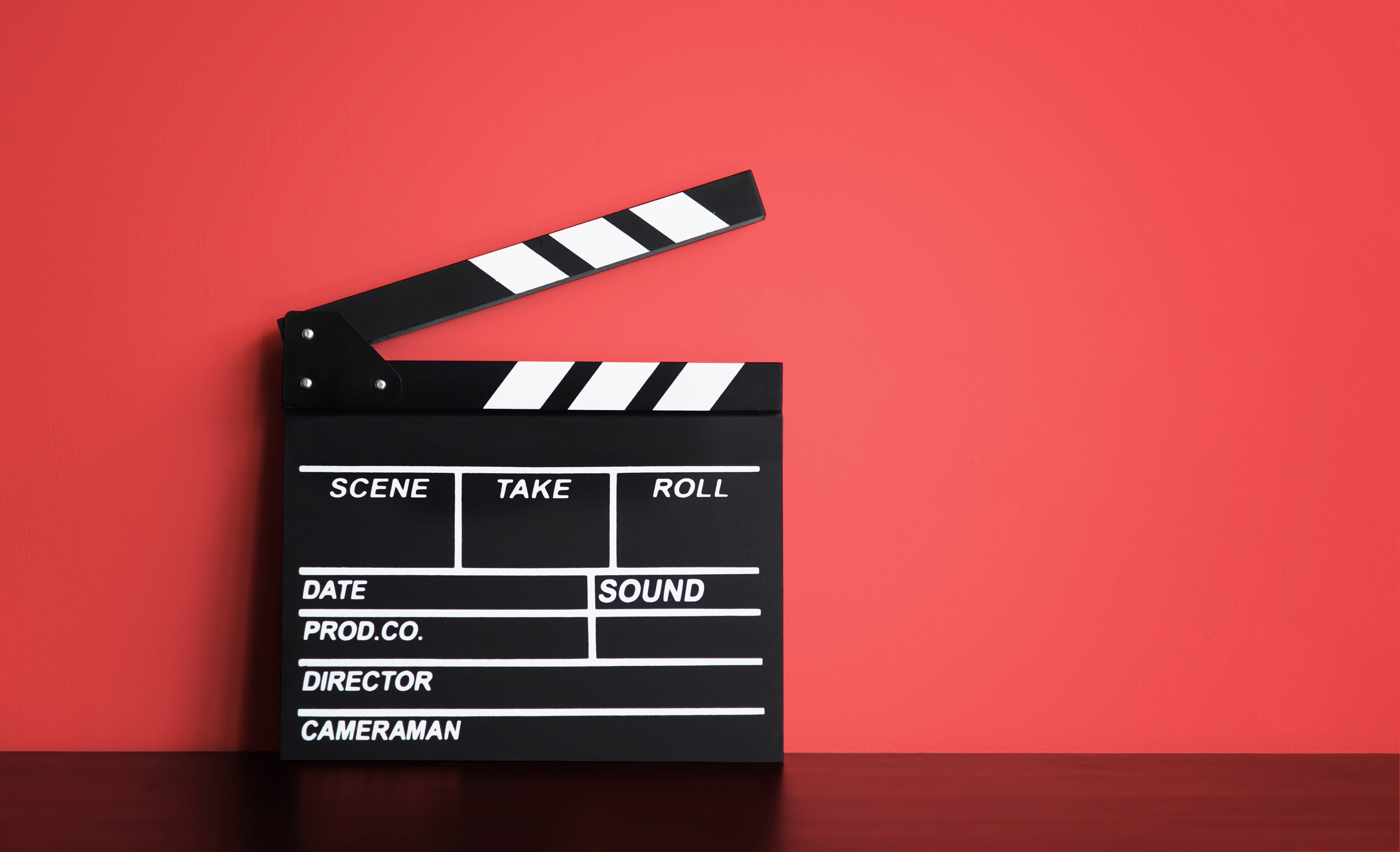
Some of us are like showrunners.
We’ve already written three seasons before we realize we’re the only one watching the show.
⸻
Zen keeps asking us to wake up.
Not simply to some mystical cosmic truth floating somewhere beyond everyday life.
But to this life.
This conversation.
This relationship.
This moment.
Reality is always unfolding before us.
The question is whether we’re meeting reality…
or merely meeting our interpretation of it.
⸻
This is one reason I’ve always appreciated the phrase stay woke.
Stay woke emerged in Black communities as a reminder long before it was misappropriated, weaponized, and turned into a political slogan—or a punchline.
Stay awake.
Stay alert.
Pay attention.
See the world as it is.
It was about survival.
It was about remaining aware of the realities of systemic racism, white supremacist violence, and the dangers that Black people navigated simply by existing in America.
Like so many words, it was eventually pulled into political battles and made to carry meanings far beyond its original context.
But beneath all of that noise, I still hear something deeply familiar.
Stay awake.
Zen has been asking the same thing for centuries.
Not awake to an ideology.
Awake to reality.
They’re not saying the same thing.
But they are both asking us to wake the fuck up.
⸻
The difficulty is that none of us encounter reality without interpretation. That’s part of what it means to inhabit this human life.
Our race shapes us.
So do our gender, sexuality, and culture.
Family.
Grief.
Joy.
Fear.
Politics.
Religion.
Success.
Wounds.
All of them become lenses through which we understand the world.
The problem isn’t that we have lenses.
The problem is forgetting that we’re looking through them.
The moment we mistake the lens for reality itself, we stop listening.
We stop learning.
We stop responding to what this moment is actually asking of us.
⸻
This is why I don’t think the Dharma asks us to abandon doctrine.
Or ignore the precepts.
Or dismiss our lived experience.
It asks something far more difficult.
Hold them lightly.
Practice deeply.
Remain teachable.
The Dharma is living.
It cannot be contained inside doctrines, identities, political parties, philosophies, or even Buddhist ideas.
It keeps unfolding.
And every moment asks us to unfold with it.
⸻
Dōgen wrote that to study the Buddha Way is to study the self.
To study the self is to forget the self.
I don’t think that means forgetting our stories.
We need stories.
They help us make sense of the world.
Sometimes they even keep us alive.
The question is how we hold them.
Tightly enough that nothing new can enter…
or lightly enough that reality is still free to surprise us and teach us something new.
Maybe awakening isn’t learning to see the world through Buddhist ideas.
Maybe it’s learning to see through all of our ideas.
Again and again.
Reality is always more alive than the stories we tell about it.
And the Dharma keeps inviting us back.
Not to certainty.
Not to being right.
Not even to our favorite ideas.
But to intimacy with what is actually here.
Stay in your rhythm.
-DT